The Allure of the Casino Environment
The casino environment is meticulously crafted to captivate and engage patrons. Elements such as vibrant colors, flashing lights, and the enticing sounds of jingling coins or cheering crowds are all designed to stimulate the senses. This sensory overload creates an atmosphere of excitement and anticipation, playing on the innate human desire for adventure and thrill. By creating a space that feels dynamic and alive, casinos encourage visitors to explore further, often leading them to online casino new zealand games they may not have initially intended to play.
Moreover, the strategic absence of windows and clocks in many casinos fosters a disconnection from reality, altering time perception for gamblers. Players can easily lose track of hours while immersed in their gaming activities, which can lead to compulsive behavior. This phenomenon is particularly insidious, as it not only enhances the thrill of the experience but also results in players being less mindful of their time and money. When individuals are fully absorbed in the moment, they often neglect to consider their limits, leading to increased betting and potential financial losses.
This carefully curated atmosphere can create an intoxicating allure that may compel individuals to chase losses or return for “just one more game.” Understanding the psychological power of this environment is crucial for comprehending why so many people find themselves drawn to gambling, even when they recognize the potential for negative consequences. The thrill of the casino experience is fundamentally linked to psychological triggers that can lead to risky behaviors and poor decision-making.
The Role of Emotion in Gambling Behavior
Emotions play a pivotal role in influencing gambling behavior. Many individuals turn to gambling as a means of escaping feelings of boredom, anxiety, or stress. The rush associated with potentially winning can evoke intense feelings of joy and hope, creating a powerful emotional high that often leads players to return for more. This emotional experience can be comparable to the adrenaline rush associated with other high-stakes activities, making gambling an appealing option for those seeking an exhilarating lift from their daily lives.
On the flip side, experiencing losses can provoke a range of negative emotions, including frustration, guilt, and despair. These emotions can trigger a cycle of chasing losses, where individuals continue to gamble in hopes of recouping what they have lost. This pattern can lead to devastating consequences, both financially and emotionally, as players find themselves ensnared in a loop of fleeting elation followed by profound regret. Recognizing these emotional triggers is vital for understanding the complexities of gambling behavior.

Furthermore, the social aspect of gambling can amplify emotional responses. Many people associate casinos with social gatherings, bonding experiences with friends, or celebrations of special occasions. This social interaction can enhance both positive and negative emotions, significantly influencing future gambling decisions. By acknowledging the emotional undercurrents of gambling, individuals can develop healthier attitudes toward gaming, mitigating the impact of emotional highs and lows on their behavior.
Addiction and Compulsive Gambling
Gambling addiction presents a complex psychological challenge characterized by an uncontrollable urge to gamble, often regardless of the negative consequences it may bring. Individuals may feel a compulsion to engage in gambling activities even when they recognize the potential for severe financial ruin or personal distress. This addiction frequently parallels substance abuse, as it activates the brain’s reward pathways, driving individuals to seek out gambling for the euphoric feelings it can provide.
Neurological research indicates that the act of gambling stimulates the brain’s reward system similarly to addictive substances, which can explain the difficulty many people face when trying to break free from compulsive gambling. The release of dopamine during gameplay generates feelings of happiness and satisfaction, reinforcing the behavior and making it increasingly hard to resist. As players chase the elusive ‘big win’, they often become isolated from friends and family, compounding their psychological distress.
Addressing gambling addiction requires a compassionate understanding of its psychological roots. Effective treatment typically involves counseling, support groups, and therapeutic strategies that target not only the gambling behavior itself but also any underlying emotional or psychological issues. By recognizing the addictive nature of gambling, individuals and their loved ones can work collaboratively toward healthier habits and a more balanced lifestyle, leading to long-term recovery and well-being.
The Influence of Cognitive Biases
Cognitive biases play a significant role in shaping gambling behavior, often leading individuals to make illogical decisions. One prevalent bias is the gambler’s fallacy, which involves the belief that past outcomes can influence future results in games of chance. For example, if a player experiences a series of losses, they may convince themselves that a win is imminent. This flawed reasoning may encourage continued betting, resulting in unnecessary financial losses based on erroneous logic.
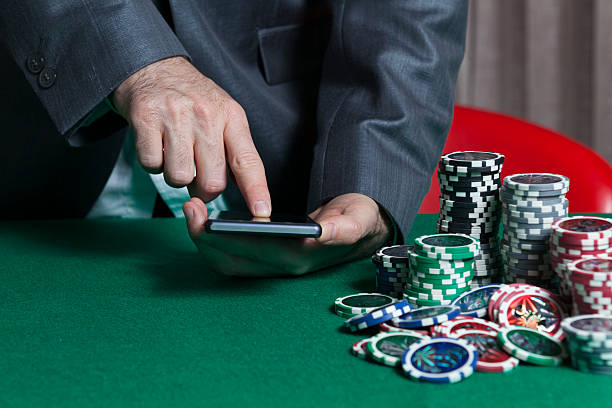
Another common cognitive bias impacting gamblers is the illusion of control, where players believe they can influence the outcome of games that are fundamentally random. This belief is particularly evident in games like poker, where players may feel that their skills can tip the odds in their favor. Such overconfidence can lead to reckless betting behavior and exacerbate the cycle of gambling, as individuals wager more than they can afford to lose, driven by their misguided belief in their control over outcomes.
Awareness of these cognitive biases is essential for players aiming to engage in responsible gambling. Understanding how these biases can distort perceptions and decision-making processes empowers individuals to approach gambling with a more analytical mindset. By actively recognizing and mitigating these cognitive distortions, individuals can exert greater control over their gambling experiences, promoting healthier gambling habits that stem from informed decision-making rather than impulsive reactions.
Understanding Gambling Through Research and Resources
Research into the psychology of gambling has gained momentum in recent years, providing valuable insights into the complex factors that influence gambling behavior. Scholars and psychologists are delving into the intricate interplay between environmental cues, emotional states, and cognitive biases to unravel how these elements shape the gambling experience. This body of research is instrumental in informing effective interventions and best practices for those grappling with gambling-related issues.
Various resources are available for individuals seeking to better understand their gambling habits or those of loved ones. Organizations dedicated to addressing gambling addiction offer educational materials and supportive networks aimed at raising awareness and promoting responsible gaming practices. These resources are crucial for fostering a community of understanding and encouragement, providing tools and strategies to mitigate gambling-related harm and promote healthier gambling behaviors.
Moreover, online platforms can serve as vital spaces for individuals seeking to share their experiences or seek help. By leveraging the power of community and shared narratives, those affected by gambling can find comfort in knowing they are not alone in their struggles. Understanding gambling through research and community resources is essential in addressing its psychological challenges and fostering healthier relationships with gaming, ultimately leading to enhanced well-being and recovery.