Understanding the Allure of Gambling
The allure of gambling is deeply integrated into human psychology. One significant factor is the thrill associated with risk and uncertainty. When people place bets on betting sites , they not only pursue the potential for monetary gain but also engage in an exciting experience that arouses emotions such as anticipation and joy. This aspect of gambling can be fundamentally appealing as it introduces a sense of unpredictability into daily life, prompting individuals to seek an adrenaline rush that can be both exhilarating and addictive.
Moreover, the environment in which gambling occurs can intensify this allure. Establishments often employ bright lights, engaging sounds, and enticing visuals to create an atmosphere that is not only inviting but also encourages immersion. This carefully curated setting plays on sensory perceptions, heightening the player’s excitement and desire to participate. The psychological impact of such stimuli is profound, making the experience more captivating than it may seem at face value.
Furthermore, gambling often offers a temporary escape from reality. For many players, placing a bet can serve as a way to temporarily distract themselves from everyday problems and stresses. This escapism is appealing because it allows individuals to step into a different world where they can experience a sense of control and agency, even if it’s against the odds. This psychological benefit can explain why many people return to gambling, seeking solace in this intricate dance of chance and choice.
The Role of Reward Systems in Gambling Behavior
At the core of gambling’s psychological appeal lies the brain’s reward system. When players win, their brains release dopamine, a neurotransmitter responsible for feelings of pleasure and satisfaction. This biochemical response reinforces the behavior, making it more likely that individuals will gamble again in pursuit of that euphoric feeling. The rush of winning activates the same neural pathways associated with other forms of reward-seeking behavior, such as substance use, illustrating how powerful these experiences can be.
The unpredictability of gambling outcomes further heightens this reward response. The concept of variable reinforcement, seen in activities like slot machines, means that players do not receive rewards consistently; instead, they may win sporadically. This inconsistency keeps them engaged and hopeful for potential future wins, further reinforcing the desire to continue gambling. The anticipation of a win can be just as exciting as the win itself, creating a compelling cycle that is hard to break.

Additionally, the societal perception and cultural acceptance of gambling exacerbate its enticing nature. In many cultures, gambling is seen as a rite of passage or a social activity that fosters community and camaraderie. This normalization contributes to individuals’ willingness to partake in gambling activities, as they may feel a sense of belonging or peer pressure to engage. Thus, the combination of biological and social factors creates a rich psychological landscape that fosters continued participation in gambling.
The Impact of Personal Factors on Gambling Choices
Individual differences play a critical role in shaping gambling behavior. Various personal factors, including personality traits and life experiences, can influence how and why one engages in gambling. For instance, individuals with high levels of impulsivity may be more attracted to gambling due to their desire for immediate gratification. This trait can lead them to place bets without fully considering the risks involved, thereby increasing the potential for problematic gambling behaviors.
Another significant personal factor is the individual’s history with gambling. Those who have encountered prior success may develop an inflated belief in their ability to win again, growing more confident and potentially reckless with their gambling choices. Conversely, individuals who have experienced losses may either withdraw from gambling altogether or mistakenly believe that they are “due” for a win, prompting them to gamble even more in hopes of recouping their losses.
Psychological conditions, such as anxiety and depression, can also drive individuals toward gambling as a coping mechanism. In these instances, gambling may provide temporary relief or distraction from negative thoughts or feelings. However, this reliance can lead to a cycle of gambling as a means of escape, which complicates their emotional health and financial stability. Understanding these personal factors is crucial in addressing gambling behaviors and developing effective interventions.
Social Influence and Group Dynamics in Gambling
Social dynamics significantly influence gambling behaviors, as people often participate in gambling activities with friends or family. This social aspect can lead to increased enjoyment and a shared experience, drawing individuals into the environment even if they might not have the same inclination to gamble alone. The presence of others can amplify excitement and peer validation, making gambling feel more like an engaging social event rather than a solitary endeavor.
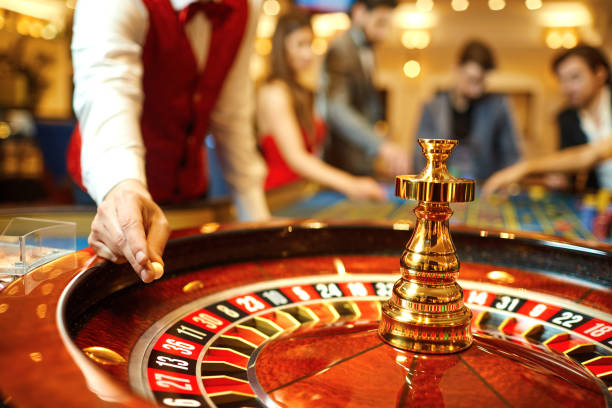
Moreover, group dynamics can foster a sense of competition that activates further gambling activities. For instance, players may feel compelled to join in on a bet when they see friends or colleagues winning, creating a fear of missing out on potential winnings. This social pressure can lead to increased betting behavior even among those who are typically more cautious. The amalgamation of personal and social motivations can create a potent compulsion to engage in gambling.
The influence of social media and online platforms further complicates these dynamics. Online gambling communities often share experiences, strategies, and wins, which can encourage participation among those who may have otherwise refrained. The visibility of others’ successes can inspire individuals to take risks they may not have considered previously. As such, the interplay of social influences and online accessibility represents a modern twist on traditional gambling psychology, amplifying its reach and appeal.
Exploring Resources and Support for Responsible Gambling
Understanding the psychological motivations behind gambling is vital for promoting responsible gambling behaviors. Many individuals may not recognize the signs of problematic gambling until it becomes a significant issue in their lives. Resources aimed at educating gamblers and providing support are essential in fostering a healthier relationship with gambling activities. Various organizations offer tools and information to help players assess their gambling habits, encouraging self-reflection and responsible practices.
Support systems, both formal and informal, can play a crucial role in helping individuals struggling with gambling issues. Counseling services, support groups, and hotlines provide a safe space for individuals to share their experiences and seek help. These resources can guide individuals toward healthier coping strategies and assist them in setting limits on their gambling activities. Community support is vital, creating an environment where individuals feel comfortable discussing their gambling habits without stigma.
Ultimately, promoting awareness of the psychological aspects of gambling can lead to better outcomes for individuals and society. By encouraging discussions around gambling behaviors, risks, and potential consequences, communities can foster a more informed public. Empowering individuals with knowledge and resources cultivates a culture of responsibility that not only enhances personal well-being but also contributes to healthier communities where gambling can be approached as a form of entertainment rather than a means of escape.